

Theology, Ethics, and the Human Condition
This area examines the human condition in relation to good and evil, sin, freedom, suffering, and hope, asking how finite beings face moral judgment, life’s deepest struggles, and the need for redemption. Page Markdown
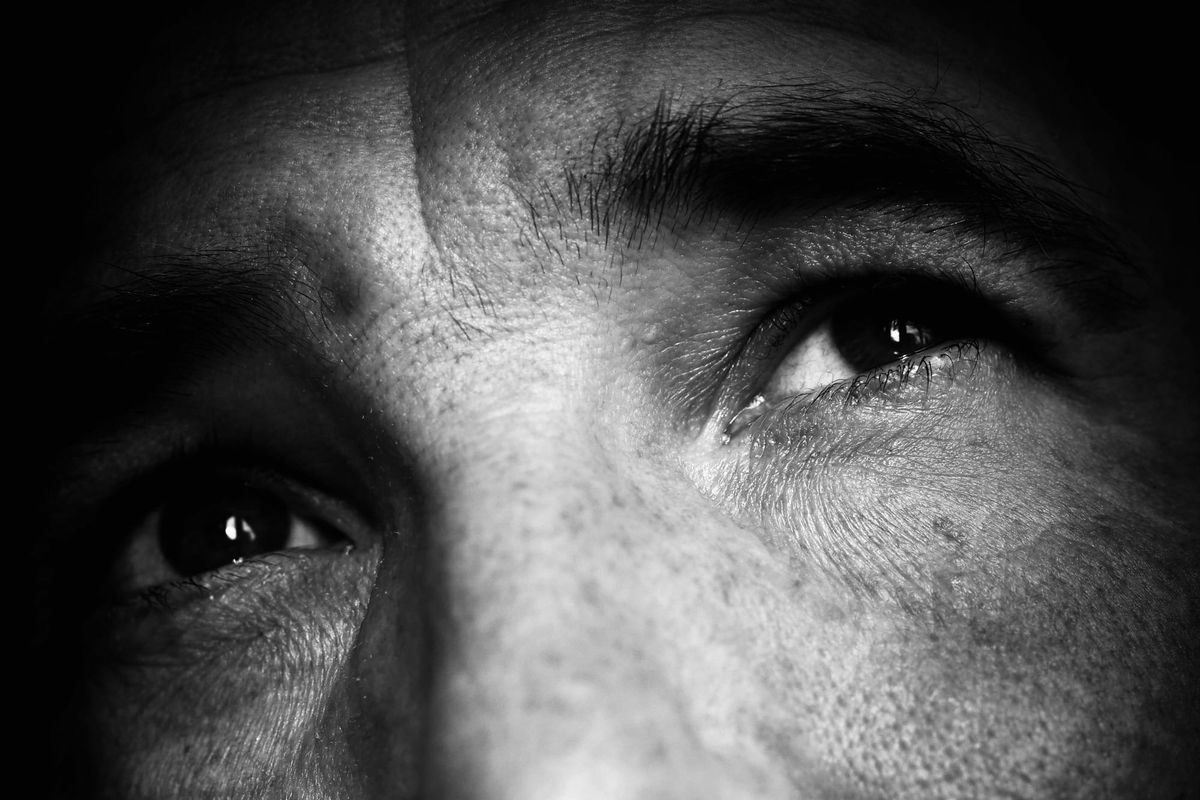
Theology, Ethics, and the Human Condition
Theology, ethics, and the human condition meet where human beings face questions that cannot be easily set aside.
What is good?
What is evil?
What does sin mean?
Can human beings become the final measure of good and evil?
Why do human beings long for freedom while remaining bound by desire, fear, and self-centeredness?
Why do human beings need forgiveness, redemption, and hope?
What does the human being reveal when standing before God, truth, morality, and death?
These questions belong not only to theology or ethics. They reach into the depth of human existence: how human beings judge good and evil, understand freedom, face suffering, acknowledge finitude, and confront problems they cannot finally solve by themselves.
This research area examines the human condition in relation to good and evil, sin, freedom, suffering, and hope. It considers theological, ethical, and philosophical questions through the concrete realities of human life, asking what human beings reveal through judgment, choice, self-defense, evasion, and hope.
Research Questions
This area continues to ask:
Why do human beings place themselves in the position of final judgment?
Can human beings become the standard of good and evil?
Why is sin more than moral failure?
Why is true goodness often unwelcome?
Why do human beings use moral language to protect themselves?
How does divine revelation expose the limits of human judgment and imagination?
How does the cross reveal human arrogance, ignorance, and false clarity?
Why does redemption touch the real condition of human beings?
These questions require philosophical seriousness, theological depth, and ethical clarity. They cannot be reduced to emotion, position-taking, or moral slogans. They concern how human beings understand themselves, face reality, and acknowledge that they are not the final measure of the world.
Good, Evil, and the Human Measure
Human beings must make moral judgments. Without judgment, life and responsibility become impossible.
The deeper question is whether finite human beings can become the final standard of good and evil.
When man places himself at the highest point of moral judgment, good and evil become vulnerable to desire, interest, fear, power, and self-justification. Human beings may still speak of justice, freedom, dignity, love, and goodness, while turning these words into instruments of self-protection.
A deep contradiction appears here.
Human beings need goodness, yet often resist true goodness.
They long for justice, yet fear the justice that exposes them.
They speak of freedom, yet often understand freedom as release from any higher truth.
They condemn evil, yet hesitate to admit that evil may also hide within their own judgment, desire, and self-righteousness.
The question of good and evil is therefore also a question of the human condition.
Sin and the Real Condition of Human Beings
Sin is more than a collection of wrong actions.
At a deeper level, sin is the condition in which human beings place themselves at the center. Man turns desire into reason, fear into judgment, interest into goodness, and the need for security into a criterion of truth.
This means that human beings do more than make mistakes. They defend themselves inside their mistakes. They do more than commit evil. They present evil as justified. They do more than evade truth. They use moral, religious, or rational language to protect that evasion.
Sin is more than ignorance. It is the disorder of the self.
The deepest human difficulty is not only that man does not know what to do. It is that, when facing truth, man often refuses to surrender his position as the final measure.
Why True Goodness Is Often Unwelcome
True goodness does not always make human beings comfortable.
When goodness only comforts, encourages, or confirms one’s self-image, it is easy to welcome. When goodness exposes the shadow of the self, reveals injustice, breaks false peace, and refuses to serve power or interest, it becomes disturbing.
Human beings often praise goodness in abstraction while resisting it in concrete situations.
True goodness is more than good intention. It also contains truth, judgment, disclosure, and renewal. It does not always obey human self-understanding, nor does it exist merely to provide emotional consolation.
There is a deep tension between goodness and the human condition: human beings need goodness, yet may not welcome it; they need truth, yet may not want to be touched by it.
Divine Revelation and the Limits of Human Judgment
Divine revelation does more than add content to human knowledge. It also exposes the limits of human judgment.
Human beings often understand God through their own experience, desire, and imagination. They imagine God through their own ideas of power, success, and glory. They assume that if God is truly God, He must be exalted, strong, and beyond humiliation. Yet they often cannot imagine divine humility, patience, and obedience.
For this reason, the cross becomes a profound site of reflection.
At the cross, human beings see Jesus humiliated, mocked, and crucified, and they think they are seeing defeat. Yet the cross reveals not only the suffering of Jesus, but also the failure of human judgment. Man believes he is judging God; in truth, man himself is being judged.
Human beings fail to recognize God not only because God transcends them, but also because they have already imagined God wrongly.
Research Direction
This area will continue to explore themes such as:
- Good, evil, and moral judgment
- Sin, arrogance, and self-deception
- Freedom, desire, and human finitude
- Why true goodness is often unwelcome
- Whether human beings can become the standard of good and evil
- Divine revelation and the limits of human judgment
- The cross and human false clarity
- Redemption, grace, and the real condition of human beings
These themes bring philosophy back to the fundamental condition of human beings: how they judge good and evil, face truth, acknowledge finitude, and confront the problems they cannot solve by themselves.
Featured Essay
Related Essays
- Humans Cannot Be the Standard of Good and Evil
- When Man Becomes the Measure: The Inner Contradictions of the Secular Worldview