

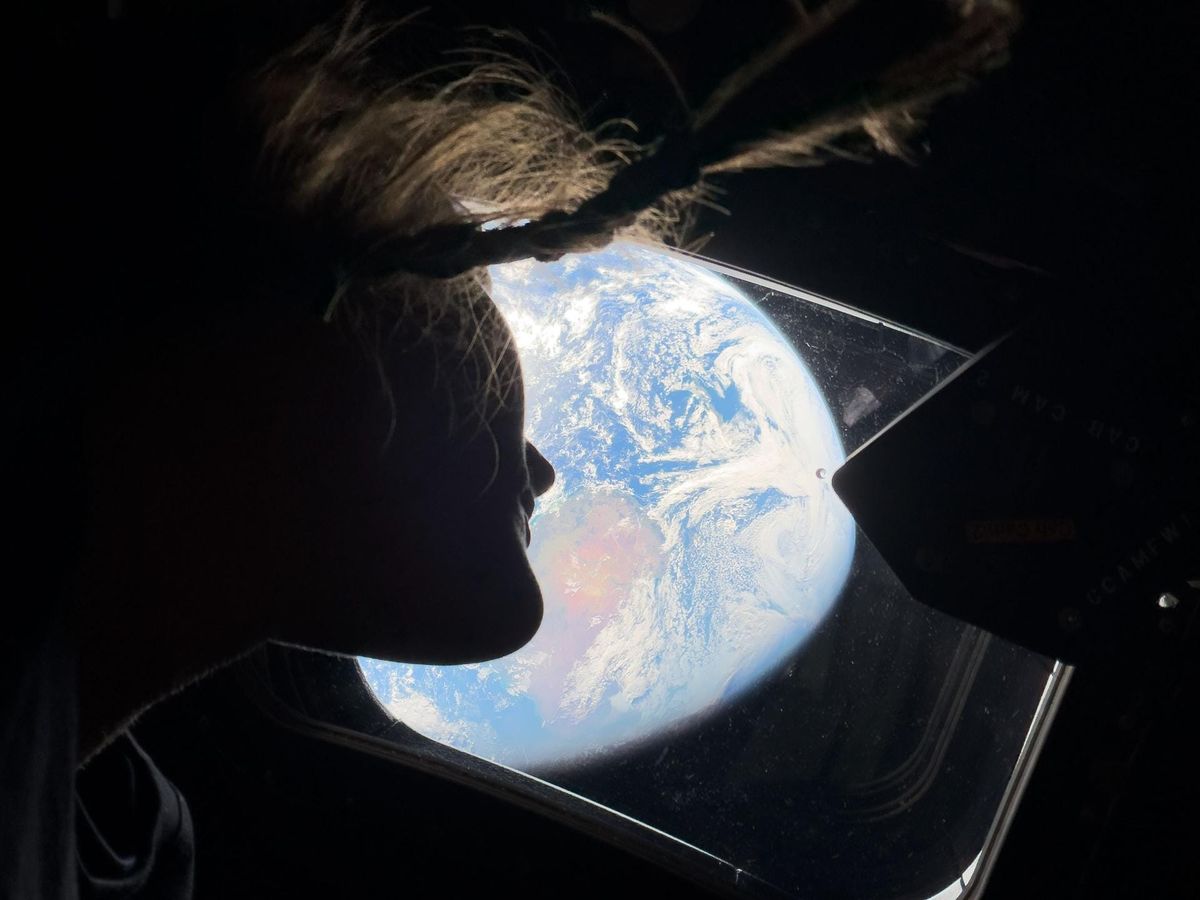
Artemis II’s return is more than a technological achievement. It is a confrontation with scale, silence, and meaning: a reminder that the farther humanity travels into the cold vastness of space, the more urgently we must reconsider Earth, our lives, and the question of how we ought to exist.
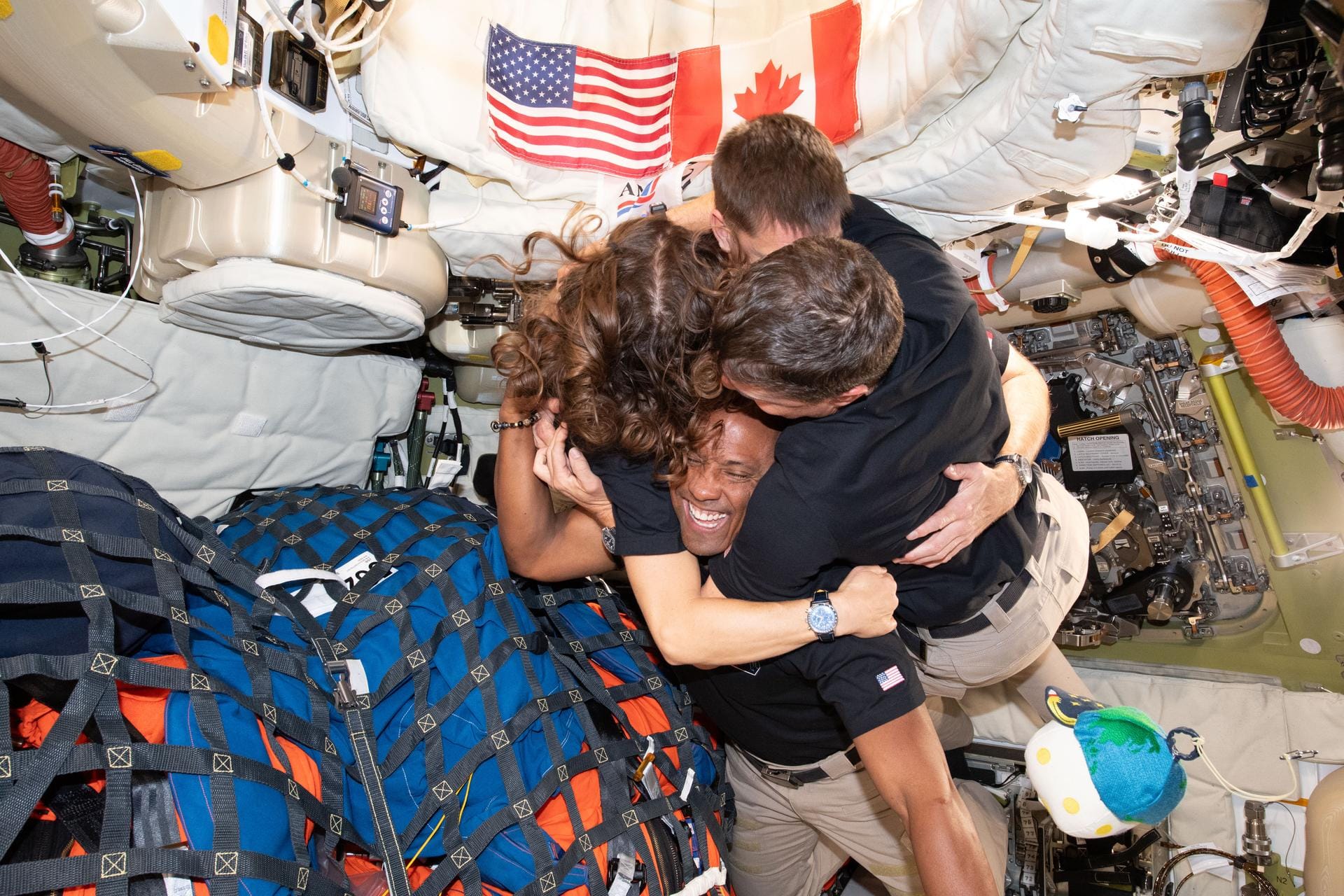
Artemis II has returned.
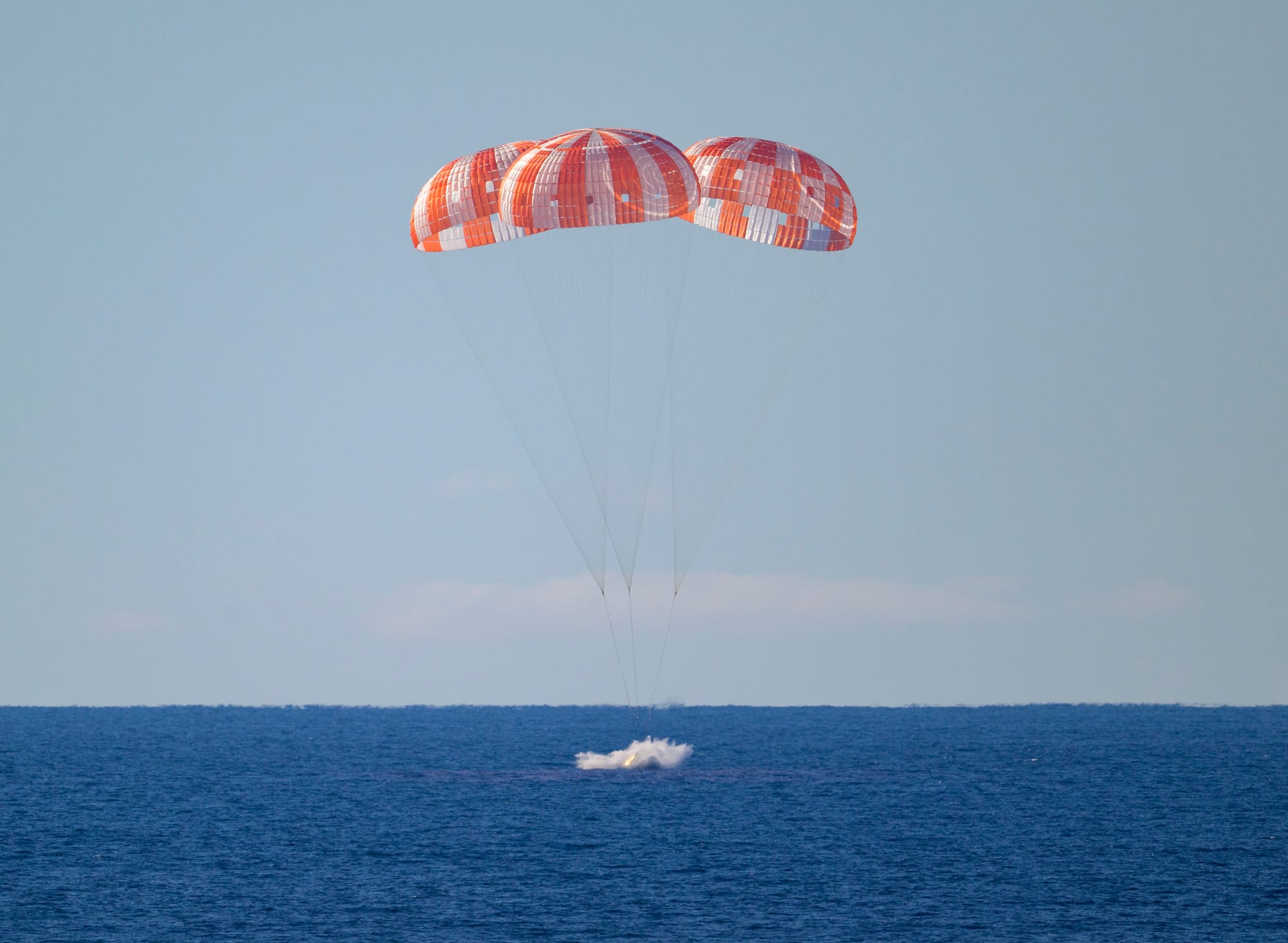
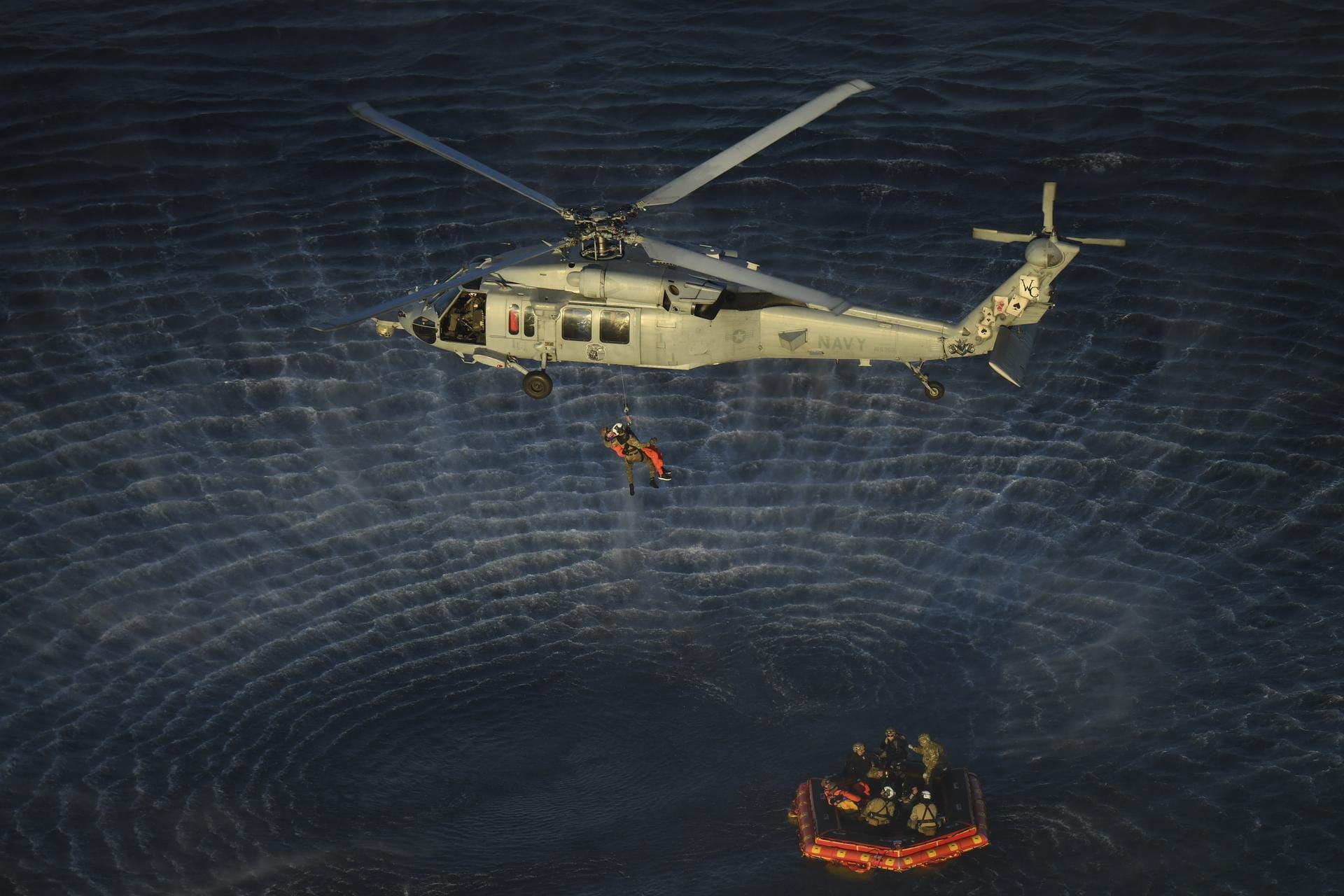
On April 10, 2026, the Orion spacecraft splashed down in the Pacific Ocean, bringing four astronauts home after nearly ten days in lunar orbit. On April 6, they had reached a maximum distance of 252,756 miles from Earth, setting the farthest human deep-space flight record since 1970. NASA has described Artemis II as humanity’s first crewed return from the vicinity of the Moon in more than half a century.
Yet what strikes the human heart most deeply about Artemis II is not the rocket, the trajectory, or the heat shield themselves. It is that once again, the mission has cast humanity’s most urgent questions into the cold, immense, and ever-silent depths of the cosmos. Every time human beings return from farther away, we are forced to look at ourselves again.
I. Humanity’s Urgent Questions and the Universe’s Eternal Silence
Spaceflight has never moved us merely because it carries human beings farther.
What unsettles us more deeply is a tension that never goes away: humanity keeps asking, and the universe remains silent; humanity travels outward again and again, and the cosmos never comes forward to welcome us; humanity longs for meaning, while the universe answers only with darkness, distance, vacuum, and an unforgiving scale.
The universe does not comfort human smallness, nor does it flatter human dignity.
It does not automatically assign meaning to our journeys, nor does it participate in our lyrical self-celebration. It simply exists in silence. And precisely because of that silence, it becomes the most severe form of reflection: humanity finds no ready-made answers there. Instead, we are forced to see ourselves more clearly.
That is why deep-space missions inevitably lead to philosophy.
When human beings truly leave Earth and look back from the direction of the Moon, many things that feel overwhelmingly important on the ground suddenly lose their weight. Daily busyness, practical calculation, local gains and losses, the identities and hierarchies assigned by society—all of them are exposed, under that scale, as partial and provisional. It is not that human beings did not already know the universe was vast. Rather, it is only when we come close to that vastness that we begin to realize how many things we have elevated to the highest place in our lives that never deserved to be there.
The shock is not only spatial. It is temporal as well.
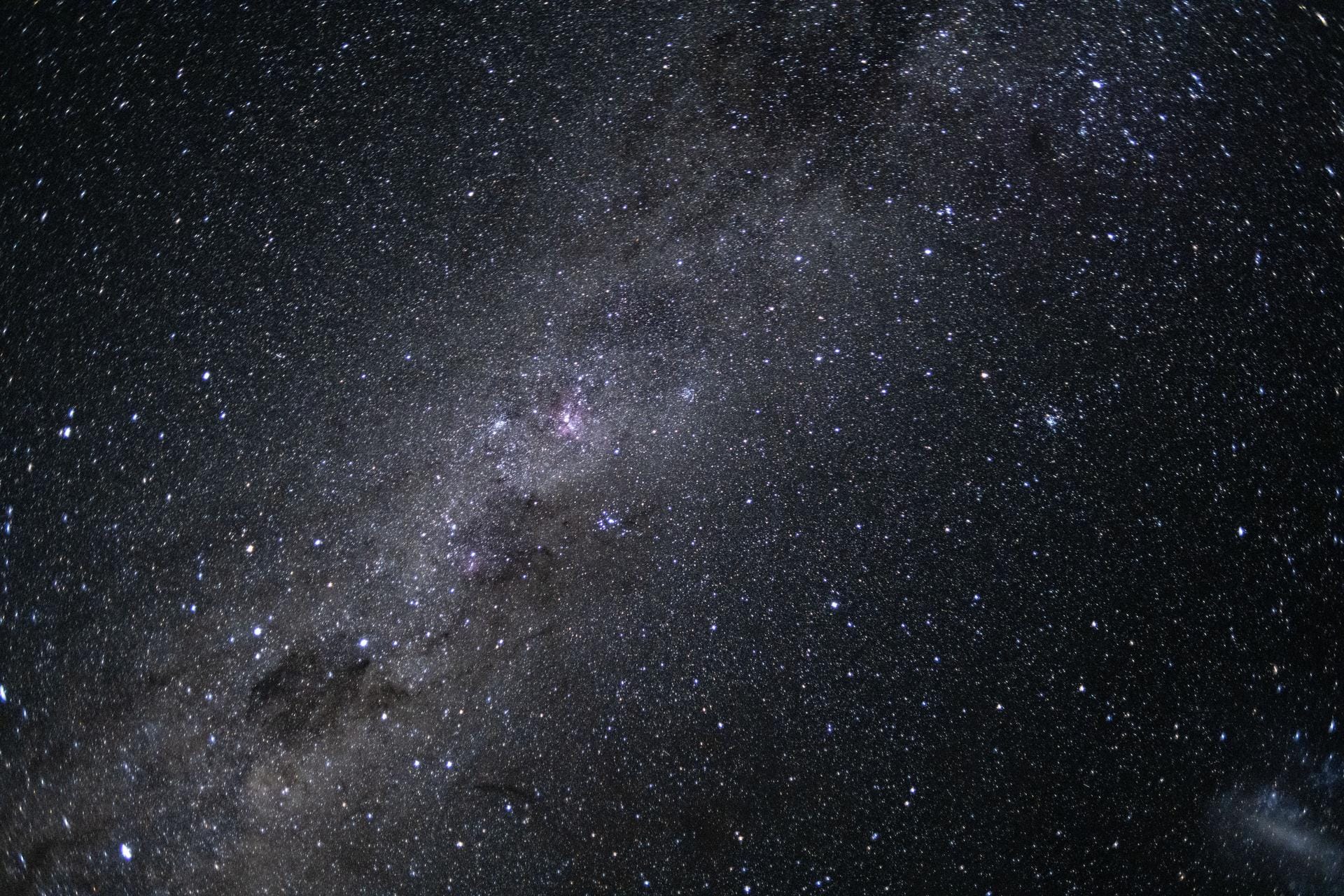
Earth is about 4.54 billion years old. The Milky Way is roughly 13.6 billion years old. Such figures fit easily onto a single line, yet the moment one truly thinks about them, language begins to fail. Forty years, perhaps even four hundred, remain imaginable. Four thousand years can still be grasped historically. But four billion years lies beyond ordinary intuition.
I once collected a meteorite. Laboratory analysis suggested that it was more than four billion years old. What struck me in that moment was not that I was holding a stone. It was that I was holding a duration almost beyond human thought. In the face of matter and space measured in billions of years, so many of our daily quarrels, entanglements, obsessions, and anxieties seem, for a brief instant, to dissolve like foam.
Perhaps this is where the true meaning of Artemis II lies.
It did not merely send human beings back toward the Moon. It lifted humanity, once again, out of the closed structure of terrestrial life—if only briefly. Not so that we might escape reality, but so that we might see reality more truthfully. What makes spaceflight moving is not that it produces a spectacular journey, but that it gives humanity a chance to examine, from a higher vantage, the very logics that have long ruled our lives: whether utility and efficiency have already usurped meaning; whether the struggle to make a living has swallowed existence itself; whether reality has narrowed to such an extent that we no longer have time to ask, with seriousness, why.
In this sense, the return of Artemis II is not merely a technical return. It is an awakening brought back through the stars.
The real question is not whether the universe gives us answers. The real question is whether, in the absence of answers, humanity still chooses to keep asking; whether we still have the courage to persist before this eternal silence; whether, amid immensity and coldness, we can still see again the preciousness of Earth, the weight of life, and the possibility that our existence should not be handed over so cheaply to daily exhaustion.
That is why the deepest impact of Artemis II does not lie in how far it traveled, but in what it made visible once again: the more silent the universe, the less avoidable human questioning becomes; the colder the cosmos, the more precious Earth appears; and the more capable humanity becomes of reaching distant frontiers, the less honestly we can continue to imprison ourselves within narrow, repetitive, and unexamined forms of life.
When a spacecraft returns from the Moon, what must truly return to Earth is not only astronauts and data, but a higher standard of judgment: that human beings cannot live only in the near and immediate; that civilization cannot live only for utility; and that existence itself cannot be fully explained away by the burdens of ordinary life.
II. Earth Is Home
What is rediscovered is often not the Moon, but Earth.
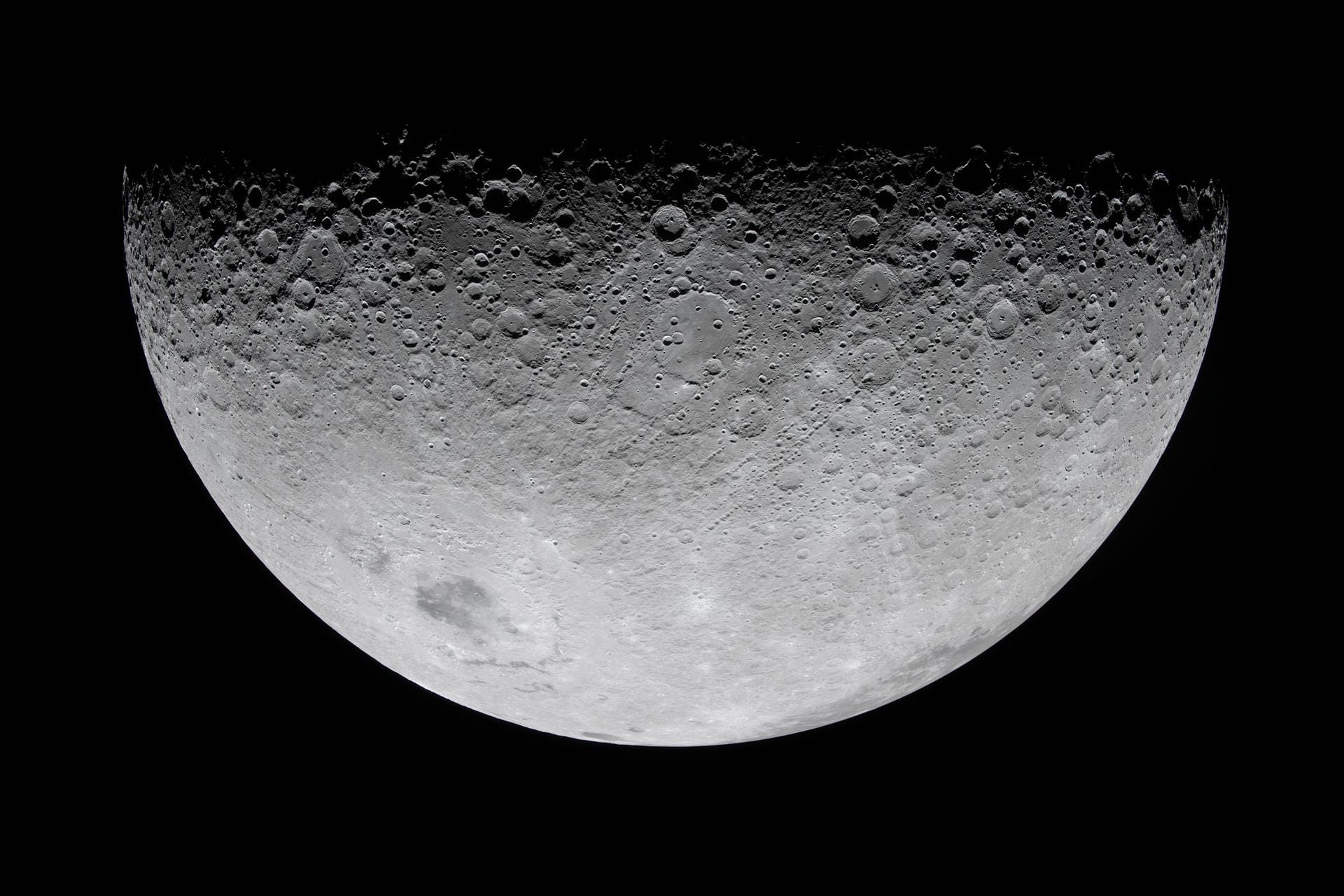
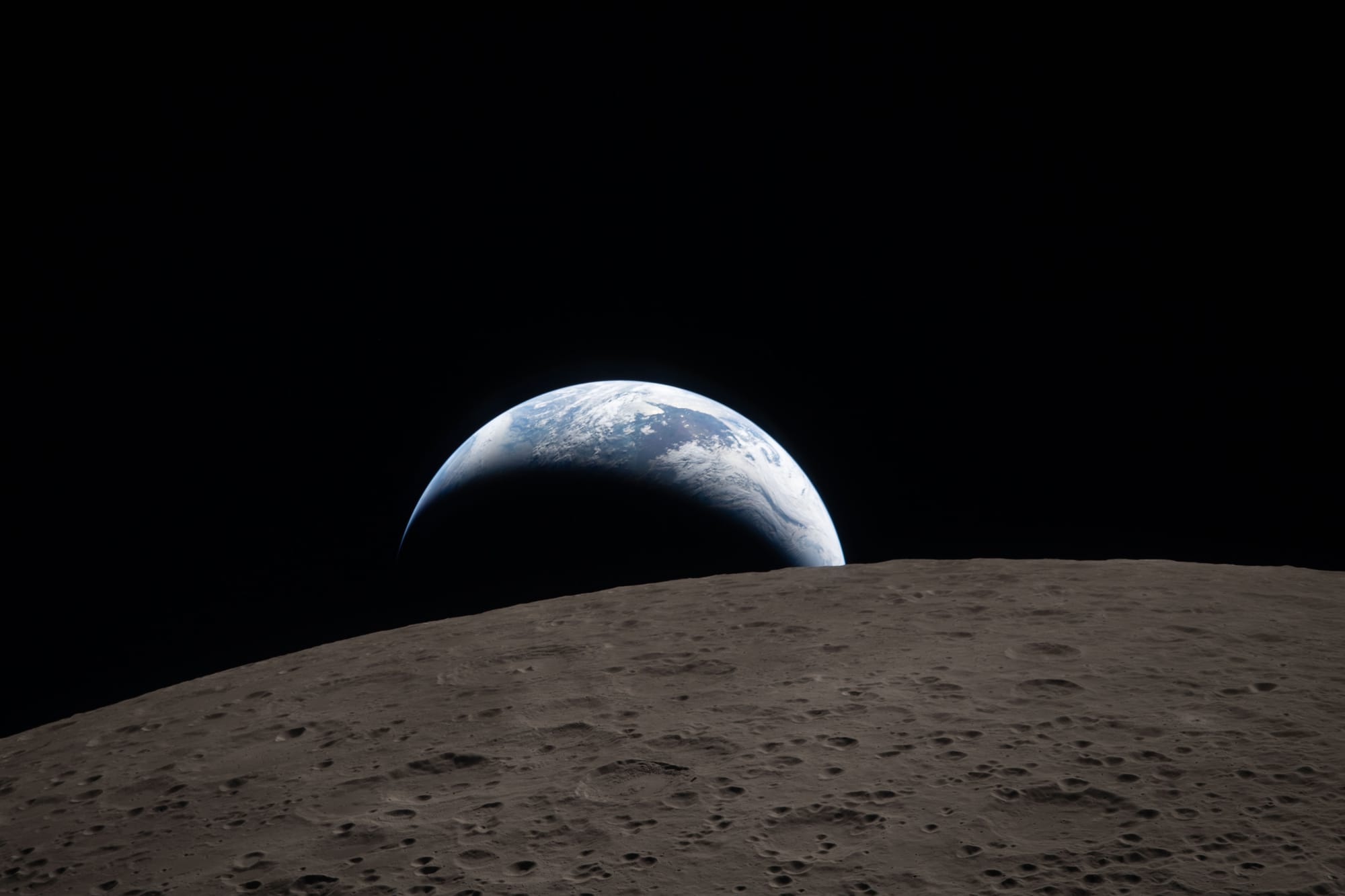
During the mission, NASA released the “Earthset” image, once again bringing into focus a truth that first appeared in the Apollo era but has never been fully absorbed by human consciousness: Earth is not the background. Earth is the precondition. The image was taken on April 6, 2026, as Artemis II passed behind the far side of the Moon. In the distance, Earth hung quietly in darkness, while the lunar surface lay silent in the foreground. Under such a perspective, everything on which human life depends suddenly ceased to feel self-evident.
Humanity has lived on Earth for so long that we have begun to lose our feeling for it.
Air became ordinary. Water became ordinary. The turning of the seasons became ordinary. Forests, oceans, land, gravity, clouds, sunsets—indeed the whole biological order of life—have all been cheapened by the word everyday. Familiarity is often not the beginning of understanding, but the obstacle to it. What is too familiar no longer evokes reverence; what is too near no longer provokes wonder.
One of the great arrogances of modern civilization is this: to depend on Earth while treating it lightly; to consume this planet while pretending we could always begin elsewhere.
Yet when viewed again from the direction of the Moon, Earth recovers its true weight.
It is no longer merely a map, no longer merely a set of borders, no longer merely the sum of national narratives, market logics, ideologies, and social quarrels. It is, first of all, an extraordinarily rare living world: a nearly miraculous set of habitable conditions—an atmosphere, liquid water, stable gravity, ecological cycles, a viable temperature range, a web of life, and a long, fragile accumulation of civilization. Without these, all the institutions, ethics, art, economies, philosophies, and loves of which humanity is proud could never arise at all.
For that reason, the greatness of deep-space exploration does not lie in teaching humanity to look down on Earth. It lies in helping humanity see this planet again and cherish it anew.
The farther we go, the more we understand that Earth is not a warehouse to be casually spent. The higher we rise, the more we see that this planet is not a backdrop for civilization but the very place where history and meaning first become possible.
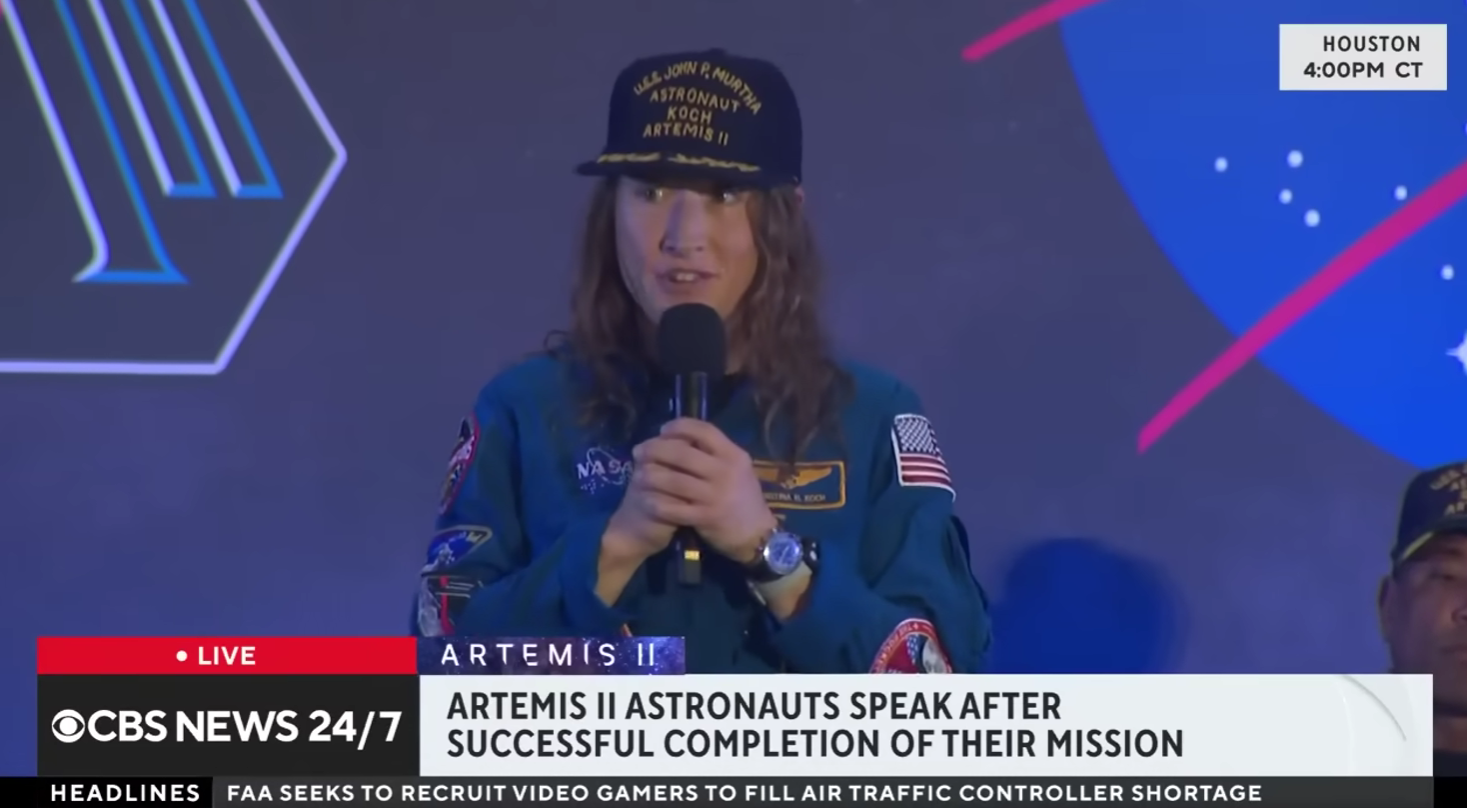
As Artemis II astronaut Christina Koch said, planet earth, you are a crew.
When astronauts look back at Earth from the direction of the Moon, the things we normally use to divide ourselves suddenly seem very small. Borders remain. Interests remain. Conflicts remain. But their partial nature is exposed. Earth does not split into multiple planets simply because human beings are skilled at division. Ecology does not separate into different systems because political beliefs differ. Humanity may oppose itself fiercely, yet at the level of fate, we still live aboard the same ship.
And this, too, throws the human predicament into sharper light.
Technologically, we are becoming ever more integrated as a species. Morally and politically, however, we remain stubbornly trapped in tribal short-sightedness. We share one planet, yet behave as if we were fighting over a storeroom. One of the great meanings of Artemis II is that it exposes this mismatch once again: the material reality of human survival has long since become planetary, while our spiritual and political structures often remain fragmented and low.
III. What Are You So Busy Doing?
Why does a space mission finally lead to existential reflection?
Because the question of existence is already embedded in the structure of modern life.
People today do not lack goals. Quite the opposite: they have too many.
Income goals, performance goals, growth goals, health goals, social goals, financial goals, family goals. Human beings are surrounded by targets, managed by checklists, driven by calendars, disciplined by efficiency. Modern society has nearly turned having something to do into a new religion, and busyness into a form of legitimacy that requires no defense.
And so people run all day, until eventually they forget to ask a more basic question: What are you so busy doing?
This is the true poverty of modern life.
Not poverty of resources. Not poverty of information. But poverty of meaning.
It is not that we do not know what to do. It is that we do not know why all of this is worth doing. It is not that we cannot endure hardship. It is that we increasingly cannot tell what all this hardship is supposed to be for.
Of course a person must work, bear responsibility, support a family, face institutions, and cope with reality. The problem begins when these things occupy the whole of one’s inner life. Then life begins to collapse quietly beneath the appearance of normal functioning. On the surface, everything goes on. Beneath the surface, a larger question is buried: What am I living for?
Many people avoid this question because it is too large and too dangerous.
It threatens to loosen the apparent solidity of the existing order. It strips some of the glow from words like maturity, responsibility, and reality. But the question does not disappear simply because we refuse to face it. It returns in another form: as exhaustion, hollowness, anxiety, anger, numbness, and an inner desolation that cannot quite be named.
The reflection brought by Artemis II matters precisely because it tears open this layer of daily concealment, if only for a moment.
It reminds humanity that there are still endeavors not directly aimed at immediate return, and yet fully worthy of our highest degrees of reason, discipline, and patience. It reminds us that human beings do not exist merely to make a living, nor merely to keep systems running. It reminds us that the nobility of civilization does not lie in making everyone busier, but in allowing some people still to set their sights on what is farther, higher, and harder to monetize at once.
This is why spaceflight continues to move people so deeply.
It does not answer life for us. But it forces us to admit that life should not be interpreted entirely through the structures of utility.
If a civilization capable of sending human beings to the vicinity of the Moon still cannot teach people to love one another, stand together, and help one another—if in the end it can only teach us how to optimize competition or sharpen mutual harm—then the stronger its technology becomes, the more painful the irony. For it proves two opposite things at once: humanity has become immensely powerful in capability, while remaining capable of profound poverty in spirit.
IV. Three Higher Expectations to Bring Back to Earth
The spacecraft has returned.
But the deeper insight brought back by Artemis II only begins at the moment of return.
What is the easiest fate of any deep-space mission?
To be consumed as pride.
Pride is understandable. Success deserves celebration. But if celebration is all that remains, then an event that might have altered our scale of judgment is reduced to a short-lived emotional spectacle. The more important question is this: Has this return made us better?
At least three things should have been brought back to Earth.
The first is humility.
Not social humility. Not a rhetorical modesty. But humility before the scale of the universe. Humanity must admit that it is not the center of everything, and that civilization is not naturally secure. Technology can expand power, but it cannot abolish finitude. The greater our strength, the more urgently we must know where arrogance becomes fatal.
The second is reverence.
Not reverence for technology, but reverence for Earth. Humanity may return to the Moon, fly deeper into space, and perhaps travel farther still in the future. None of this diminishes Earth’s value. On the contrary, every journey outward should make clearer that this planet is not a stage to be endlessly exploited, but the ground from which all life and meaning first arise.
The third is reflection.
Reflection on the structure of our lives. Reflection on our hierarchy of values. Reflection on what we have raised to a place of importance it never deserved. The most dangerous thing today may not be busyness itself, but the fact that busyness has acquired a legitimacy that no one dares question. People surrender too much judgment to the phrase that’s just reality. And so what remains is obedience without reflection, motion without direction, survival without any answer to why one should live.
If, after returning from the Moon, humanity has merely learned once more how to narrate its own greatness, then the gains of the journey remain superficial. Only if we turn this event into a more demanding form of self-education will the deeper insight of Artemis II not be wasted.
The spacecraft fell back into the sea. The heat of the moment will pass.
What will not pass so easily is the question that has been illuminated again:
In a universe this vast, and on an Earth this precious and fragile, how should you and I exist?
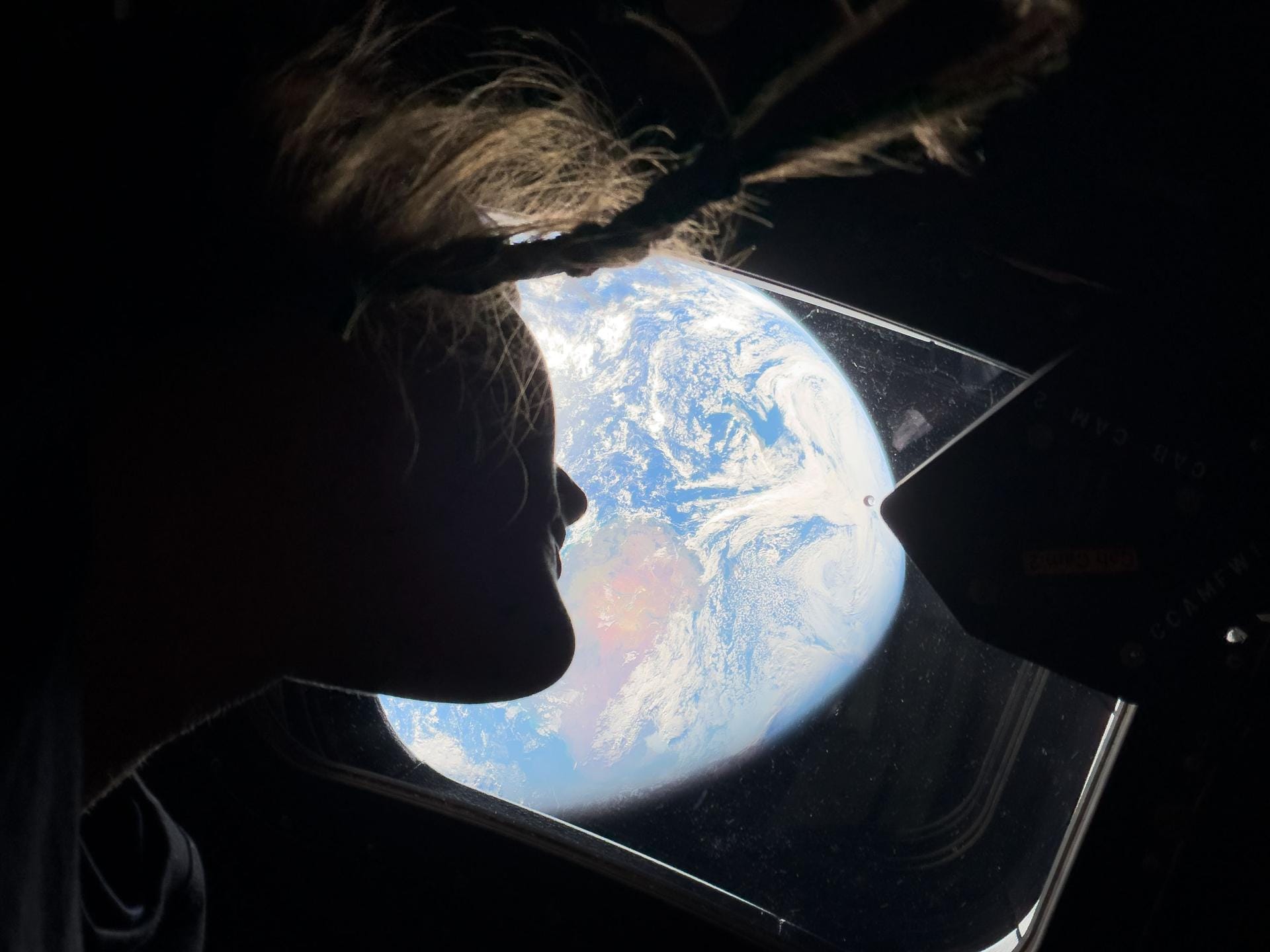
VICTOR GLOVER: Thank you for that, Jenni. And thank you to all of you for allowing us the immense privilege to be on this journey together. It’s quite amazing. And as we go on this journey, thinking about the NASA mission to explore the unknown in air and space, to innovate for the benefit of humanity, and to inspire the world through discoveries. And as you’ve gone along on this journey with us, hopefully we’re doing just those things. And as we get close to the nearest point to the Moon and the farthest point from Earth and continue to unlock the mysteries of the cosmos, I would like to remind you of one of the most important mysteries on Earth, and that’s love. Christ said in response to what was the greatest command, that it was to love God with all that you are. And He also, being a great teacher, said the second is equal to it. And that is to love your neighbor as yourself. And so, as we prepare to go out of radio communication, we’re still going to feel your love from Earth. And to all of you down on Earth and around Earth, we love you, from the Moon.
MISSION CONTROL: Houston copies. We’ll see you on the other side.
Comments ()