Articles
The mind is awakened by truth, and the soul stands in the light.

The Boundary of Language: What Can Be Said Can Be Thought
Before language, human beings already feel hunger, fear, attachment, and pain. Yet what is felt is not always understood. Language does not merely express thought; it gives thought shape, and in doing so, defines both the reach and the limits of understanding.
 Ted Wong
From the Cave to Truth: Cognitive Ascent and the Exclusion of Thought
Plato’s allegory of the cave is not merely a story about ignorance, but an account of epistemic enclosure, painful awakening, and the cost of truth. To see beyond appearances is not only cognitive; it is existential, ethical, and politically perilous
 Ted Wong
Can Human Beings Truly Discern Good and Evil?
Can human beings truly discern good and evil? This essay examines the limits of moral judgment under conditions of finitude, self-righteousness, and self-deception, and argues that moral discernment requires a standard beyond human autonomy.
 Ted Wong
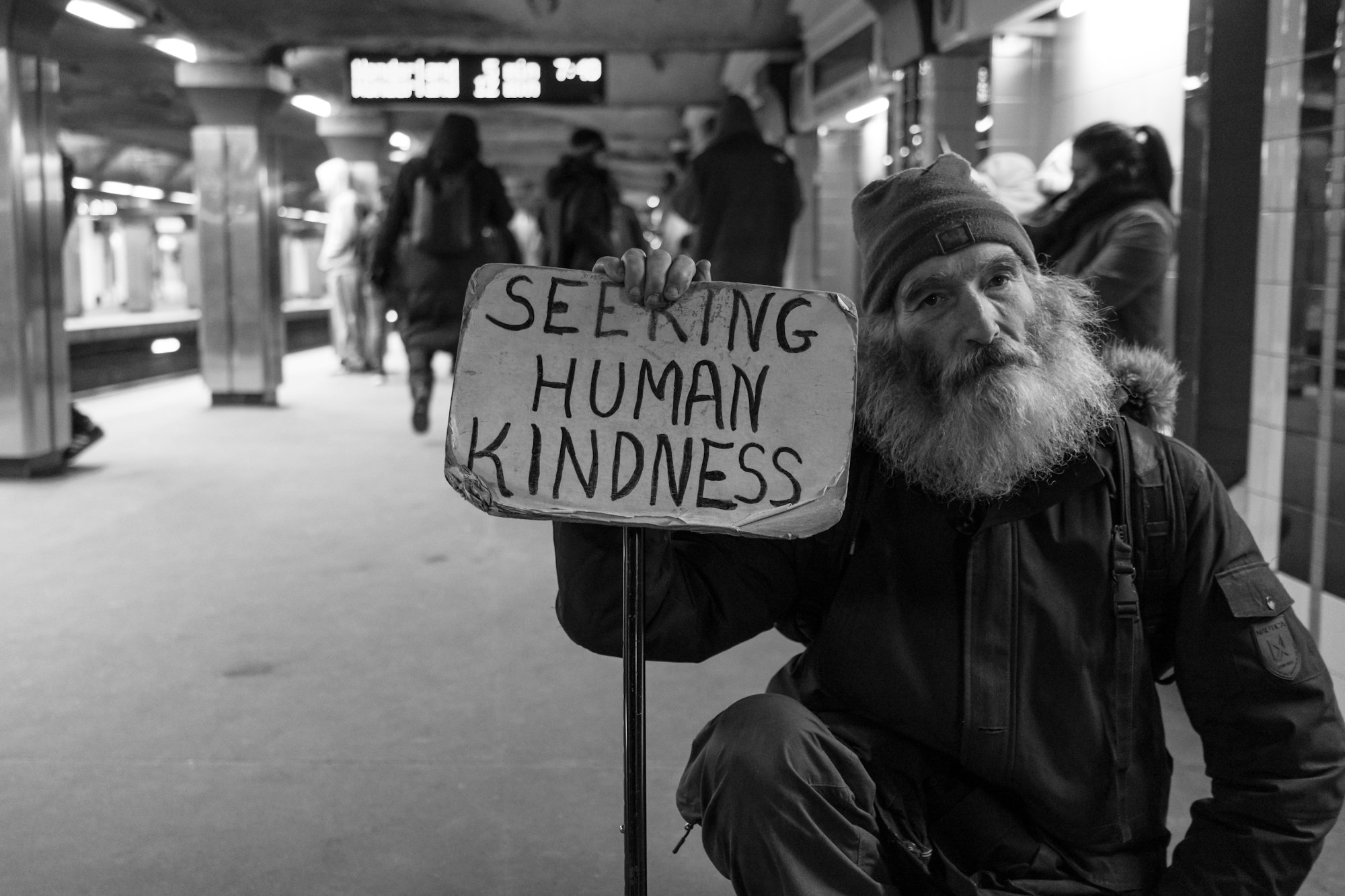
Why Good People Are Often Unwelcome
Good people are not always welcomed. In a world driven by success, efficiency, and spectacle, kindness, honesty, and moral courage are often pushed aside. This essay explores why goodness becomes unwelcome—and whether we still dare to choose truth without betraying the soul.
 Ted Wong